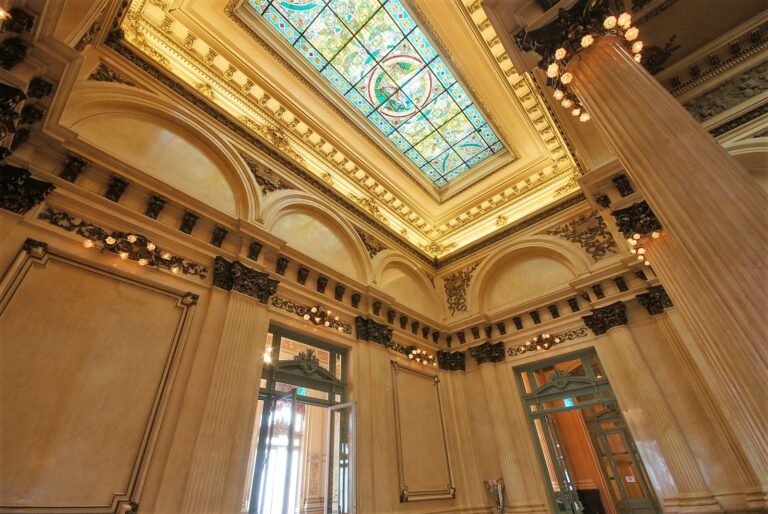
Heritage Restoration and Technological Modernization
LOCATION
Ciudad de Buenos Aires, Argentina
ROLE
Andres Schulman · Project Director – GCBA
PERIOD
2005 — 2010
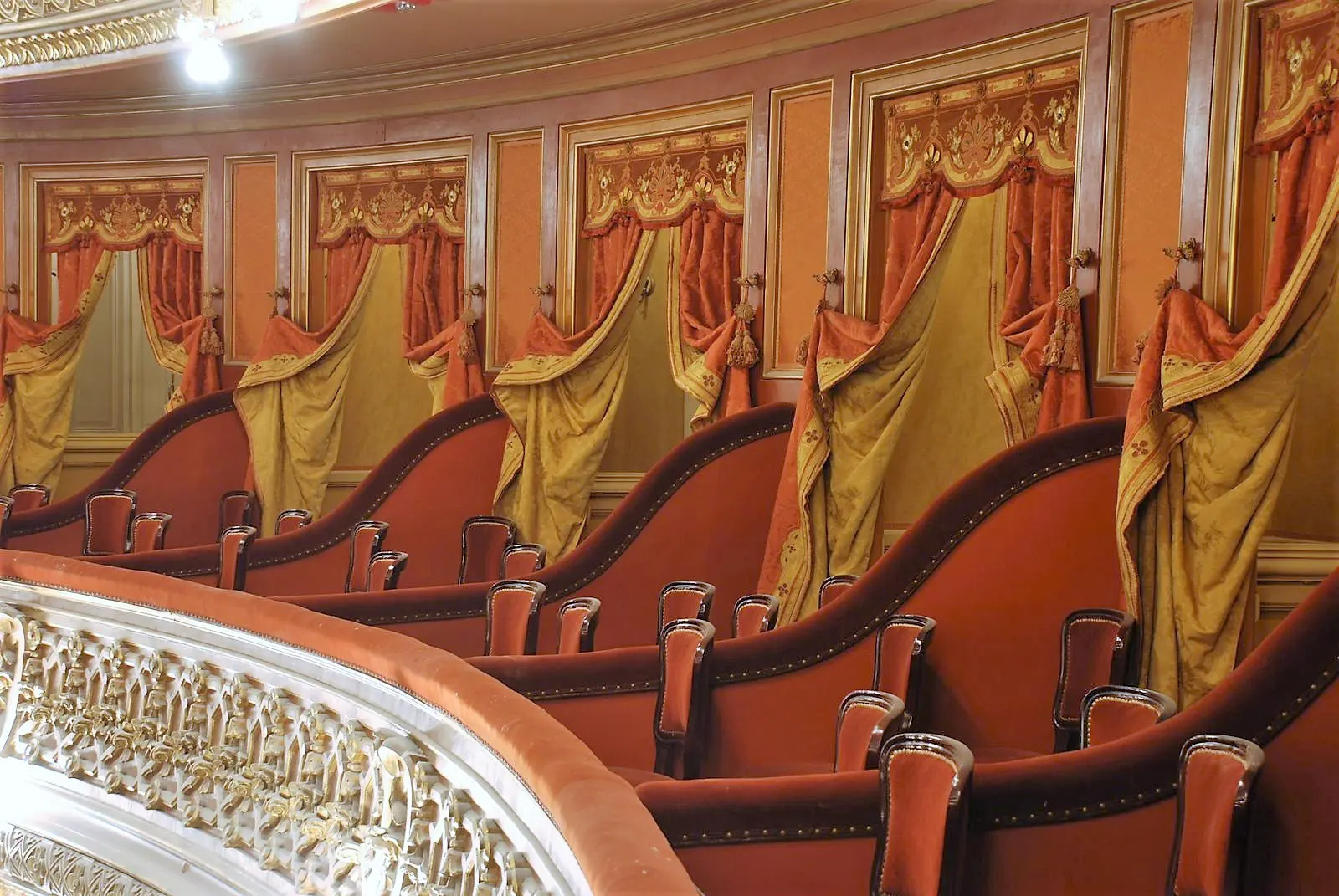
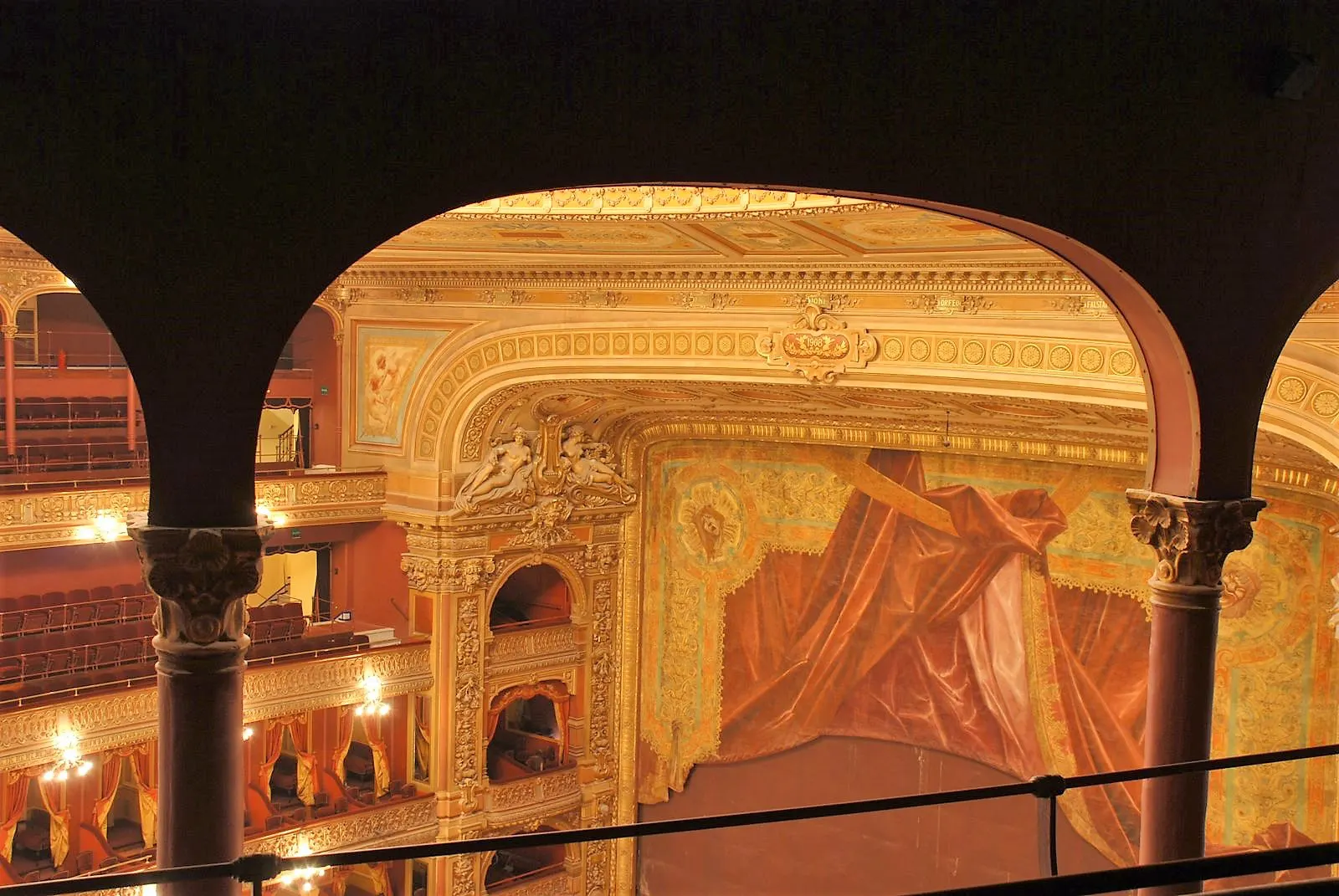
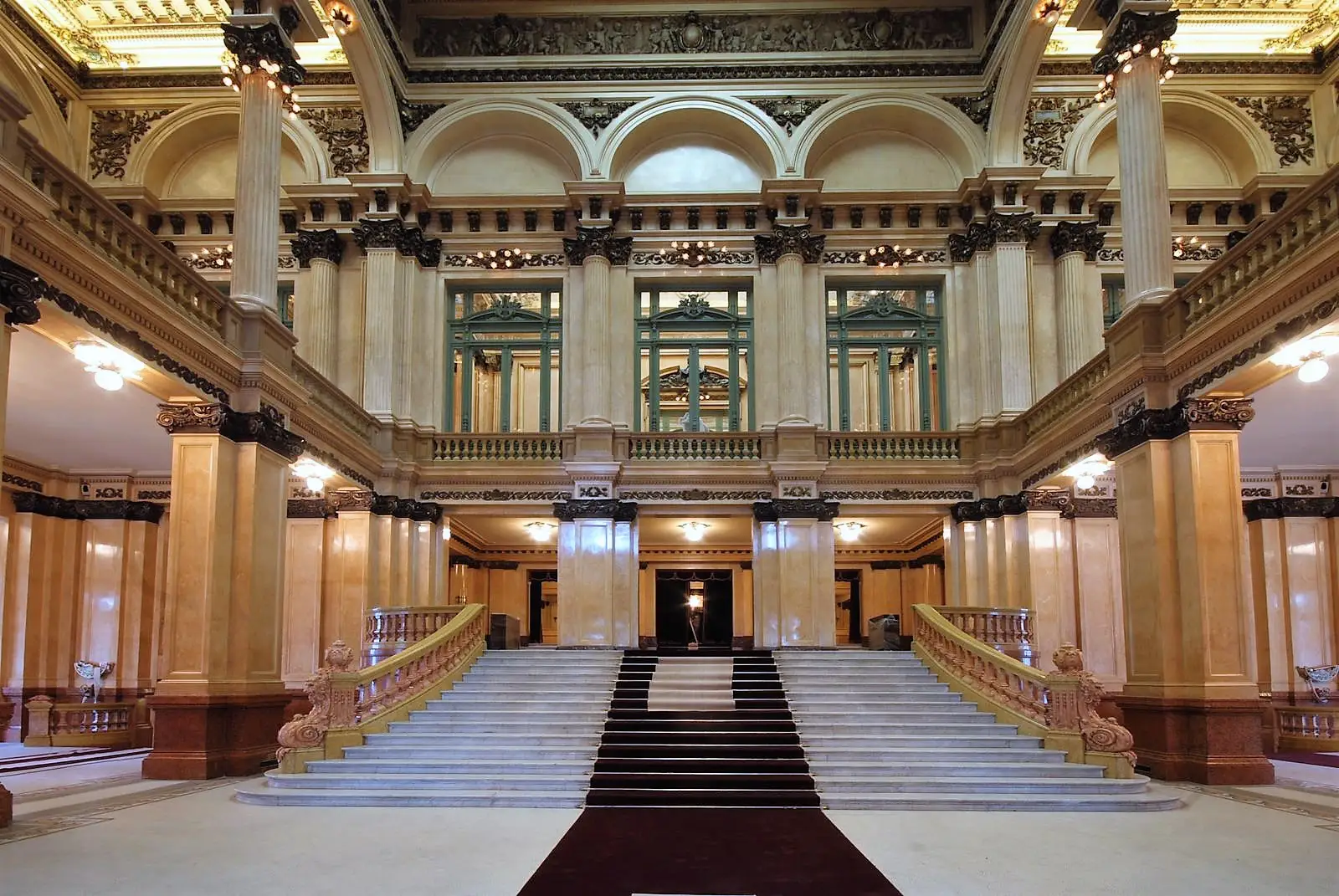
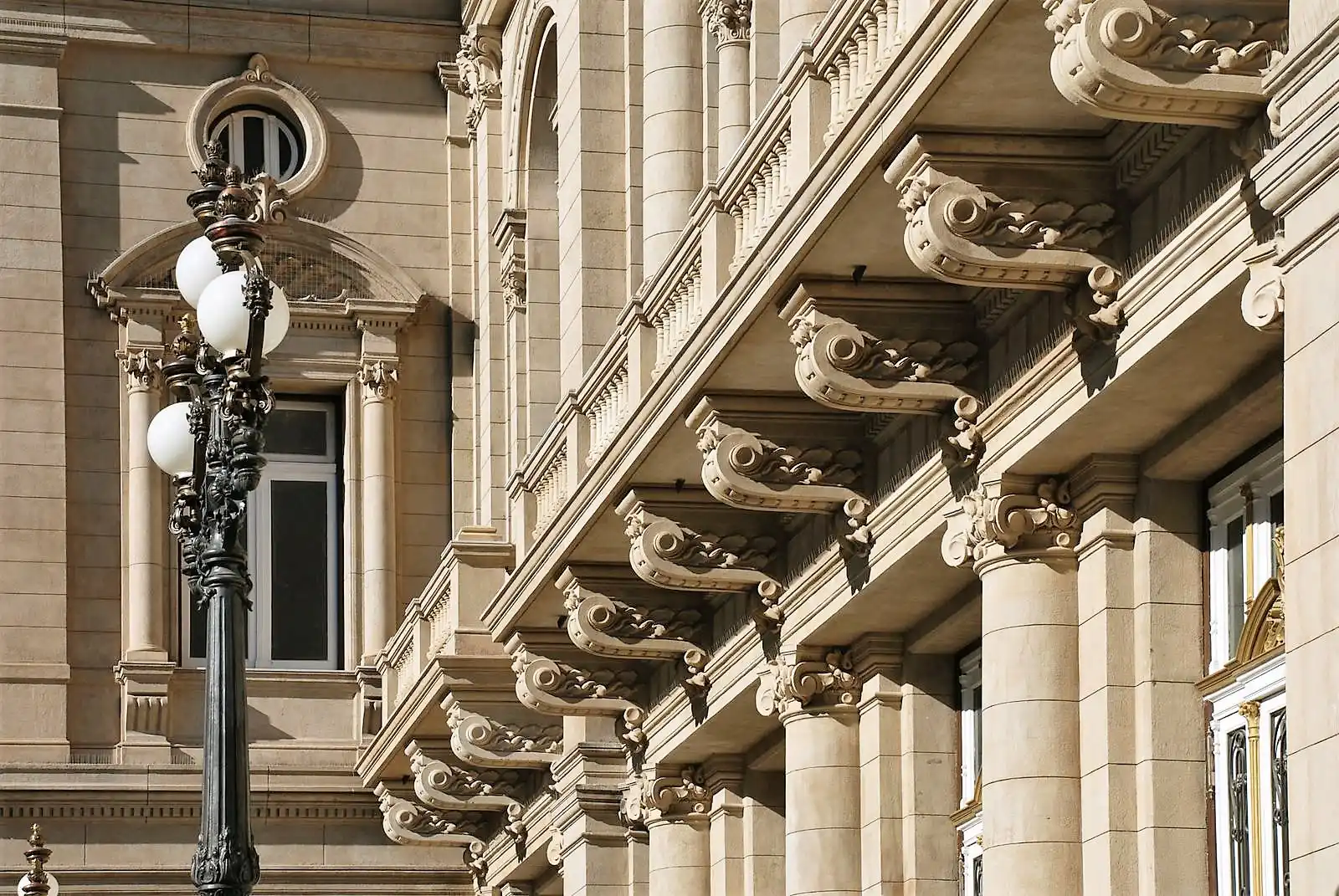
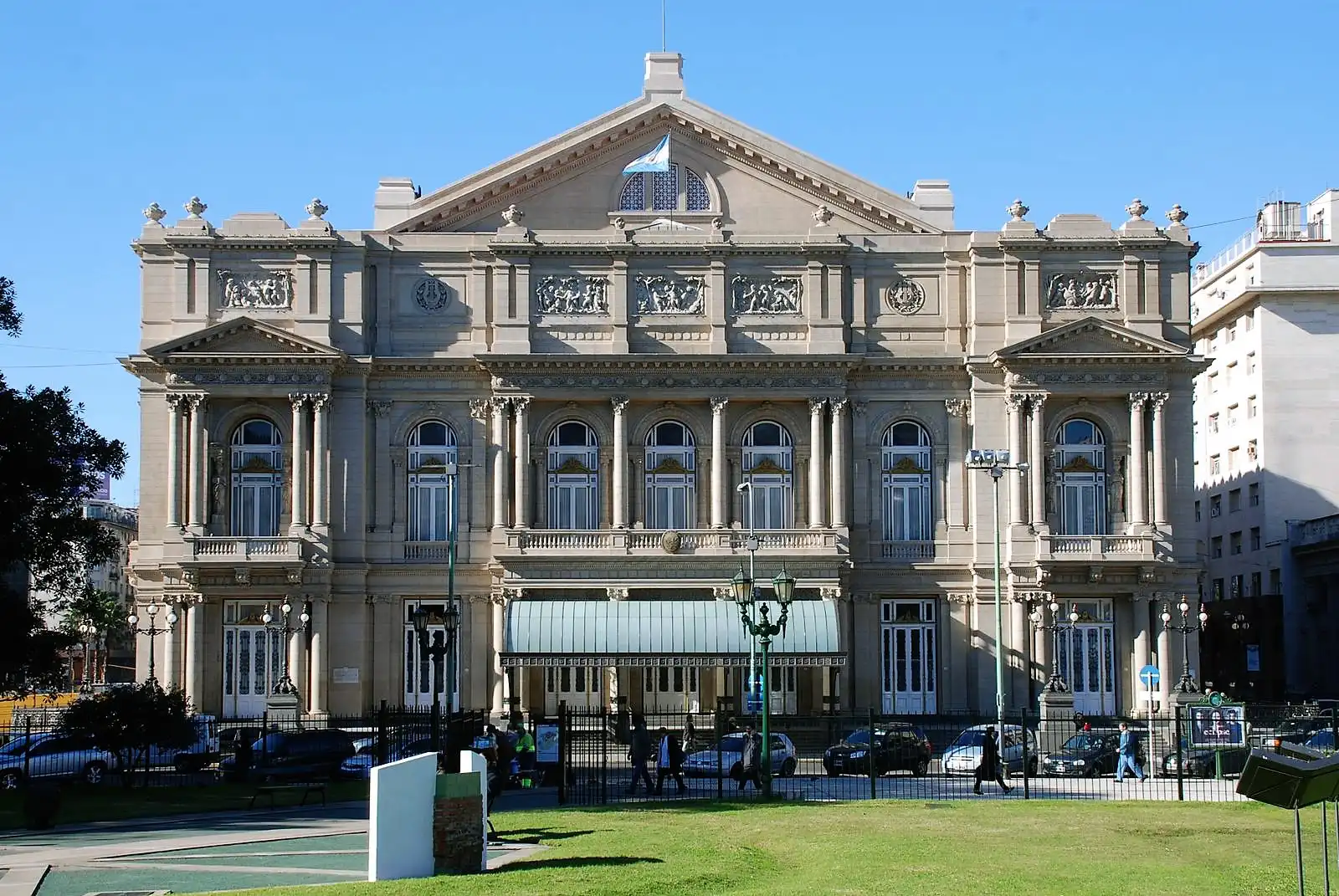
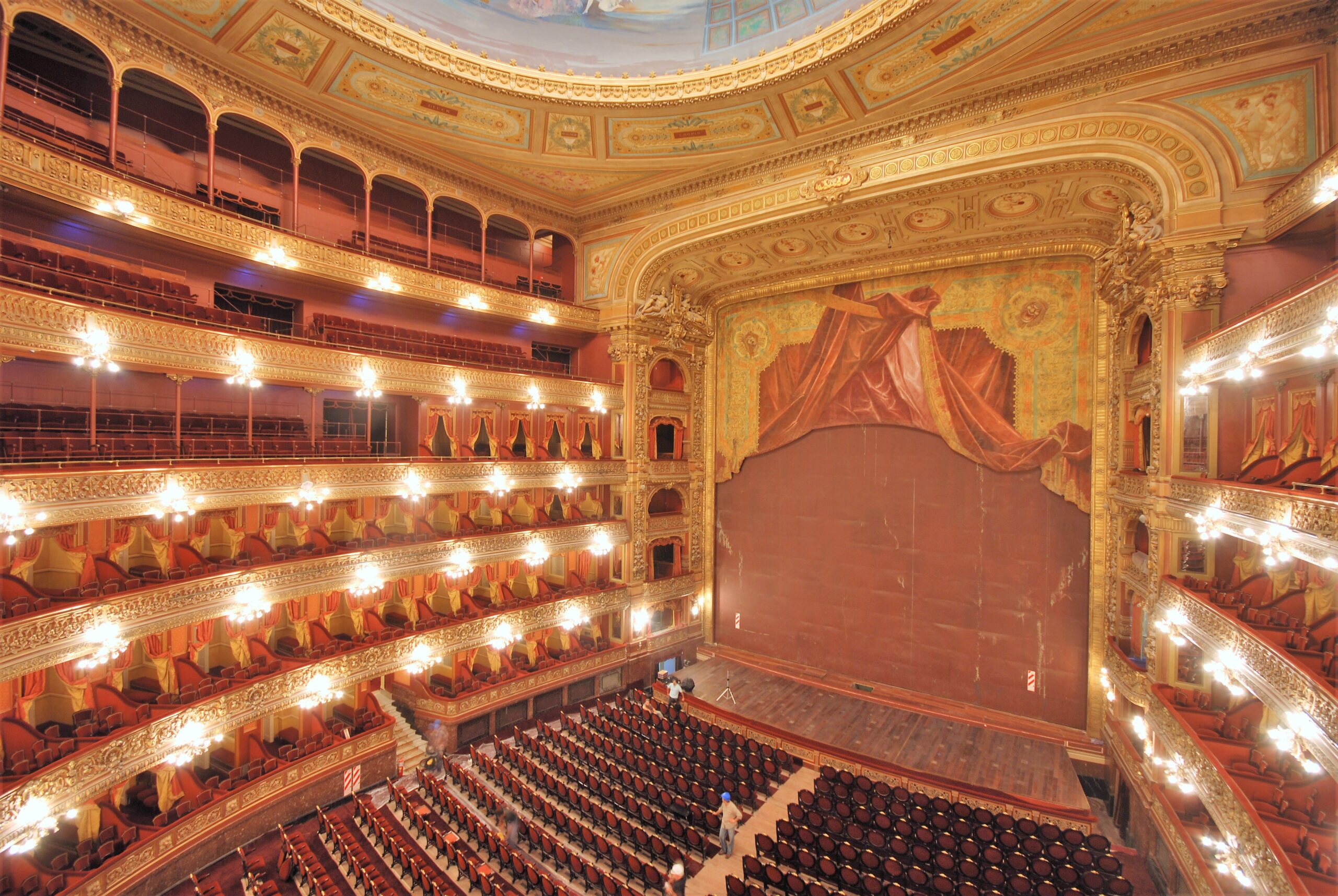
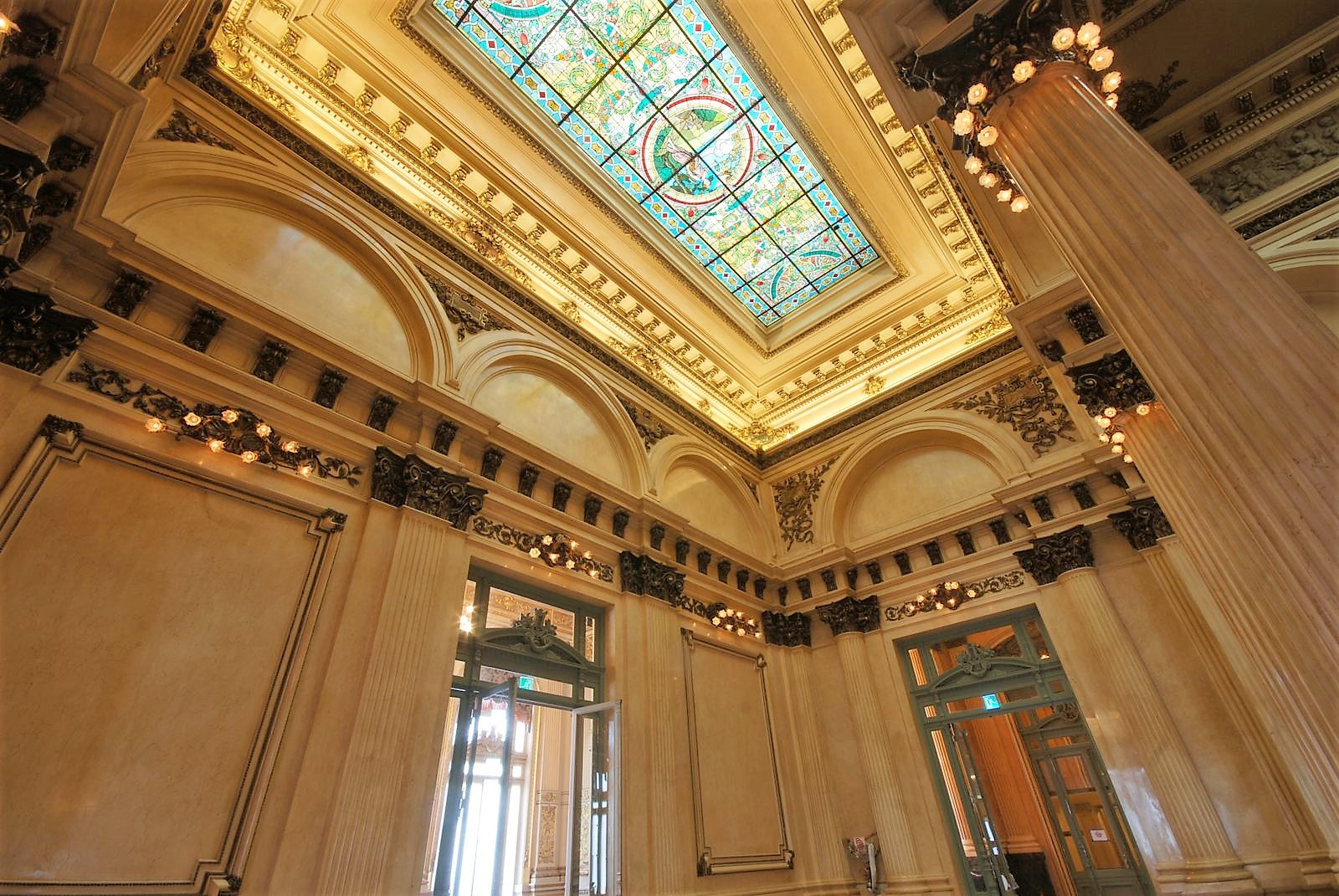
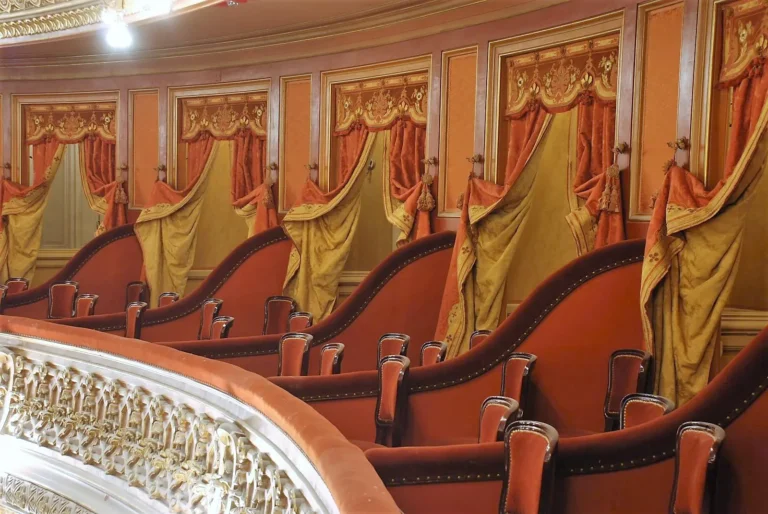
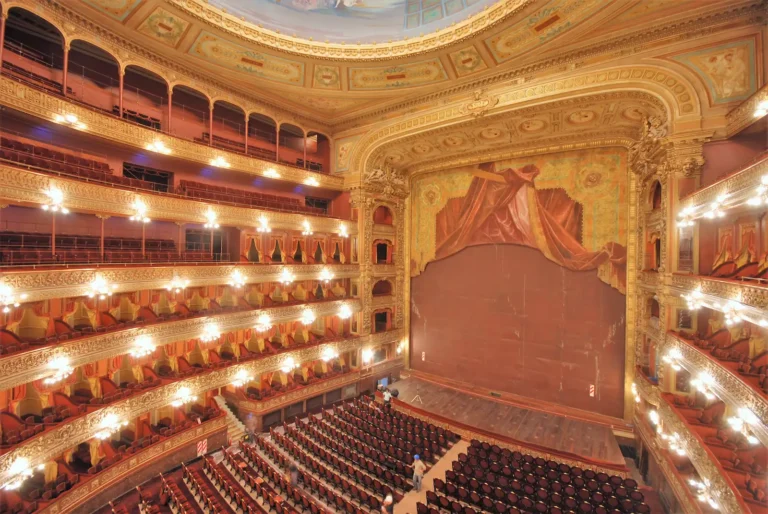
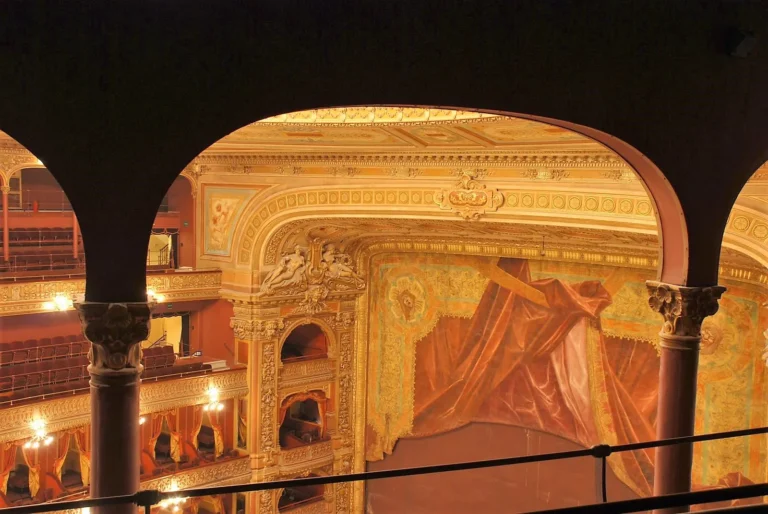
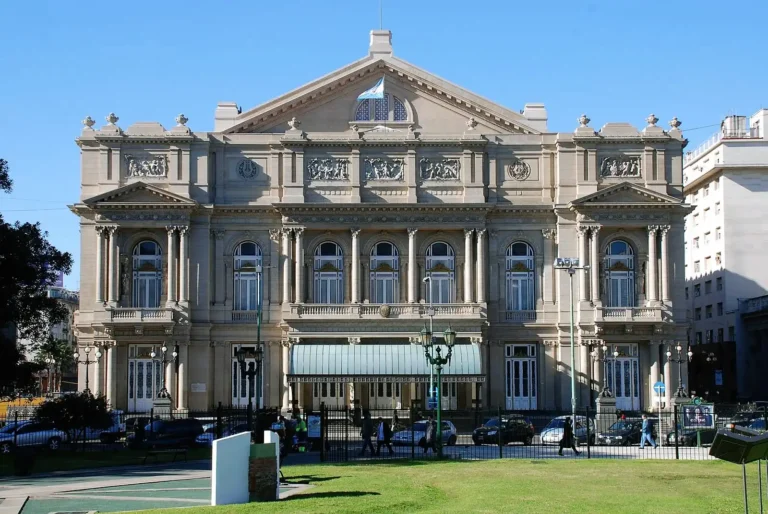
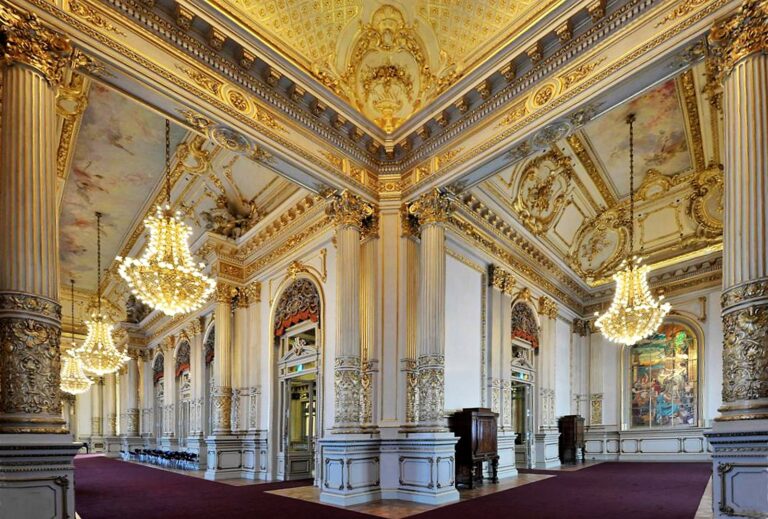
Opened in 1908, Teatro Colón is regarded as one of the great opera houses of the world. Its acoustics have been recognized by experts and performers from every musical tradition as being among the finest on the planet for opera, symphonic music, and ballet.
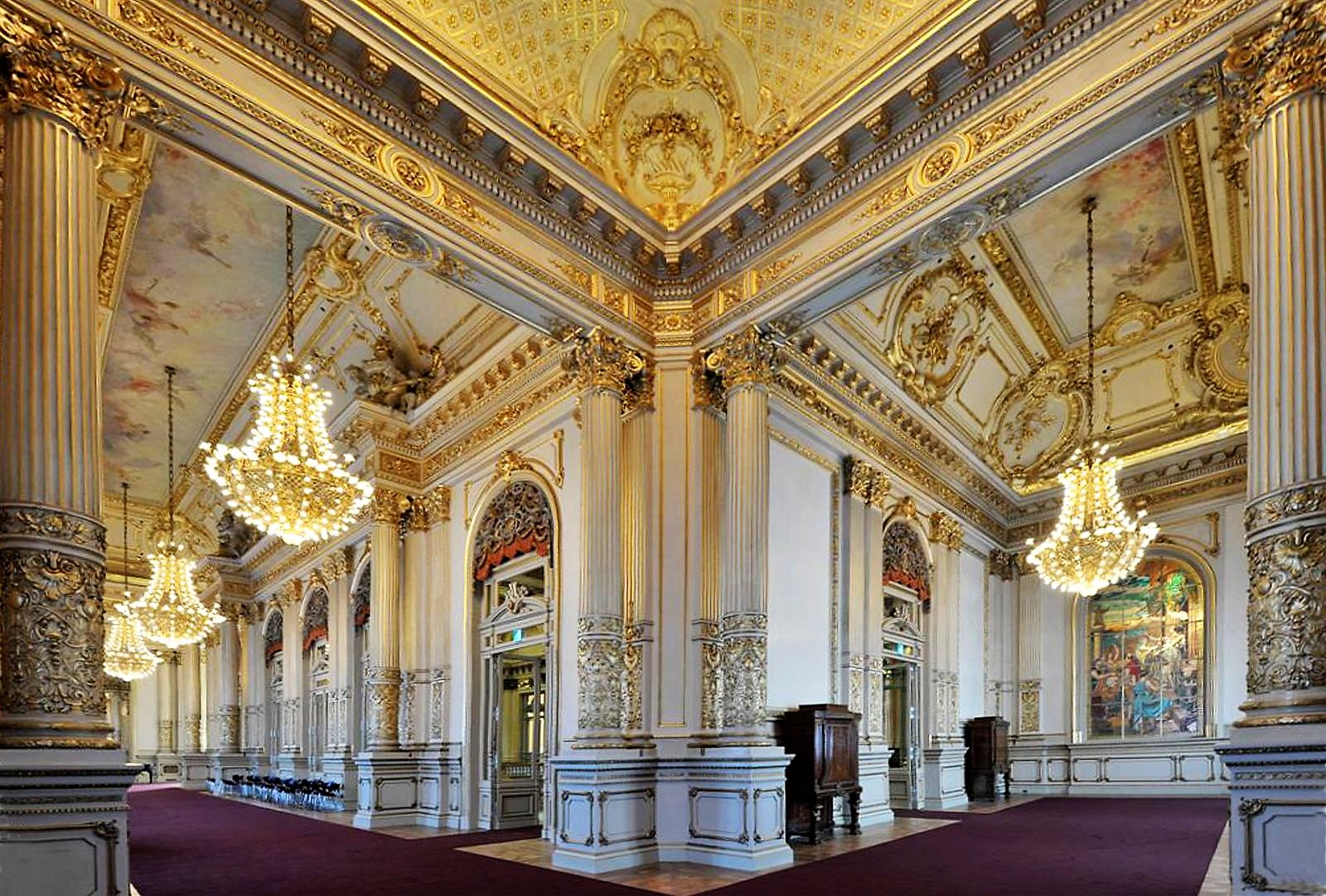
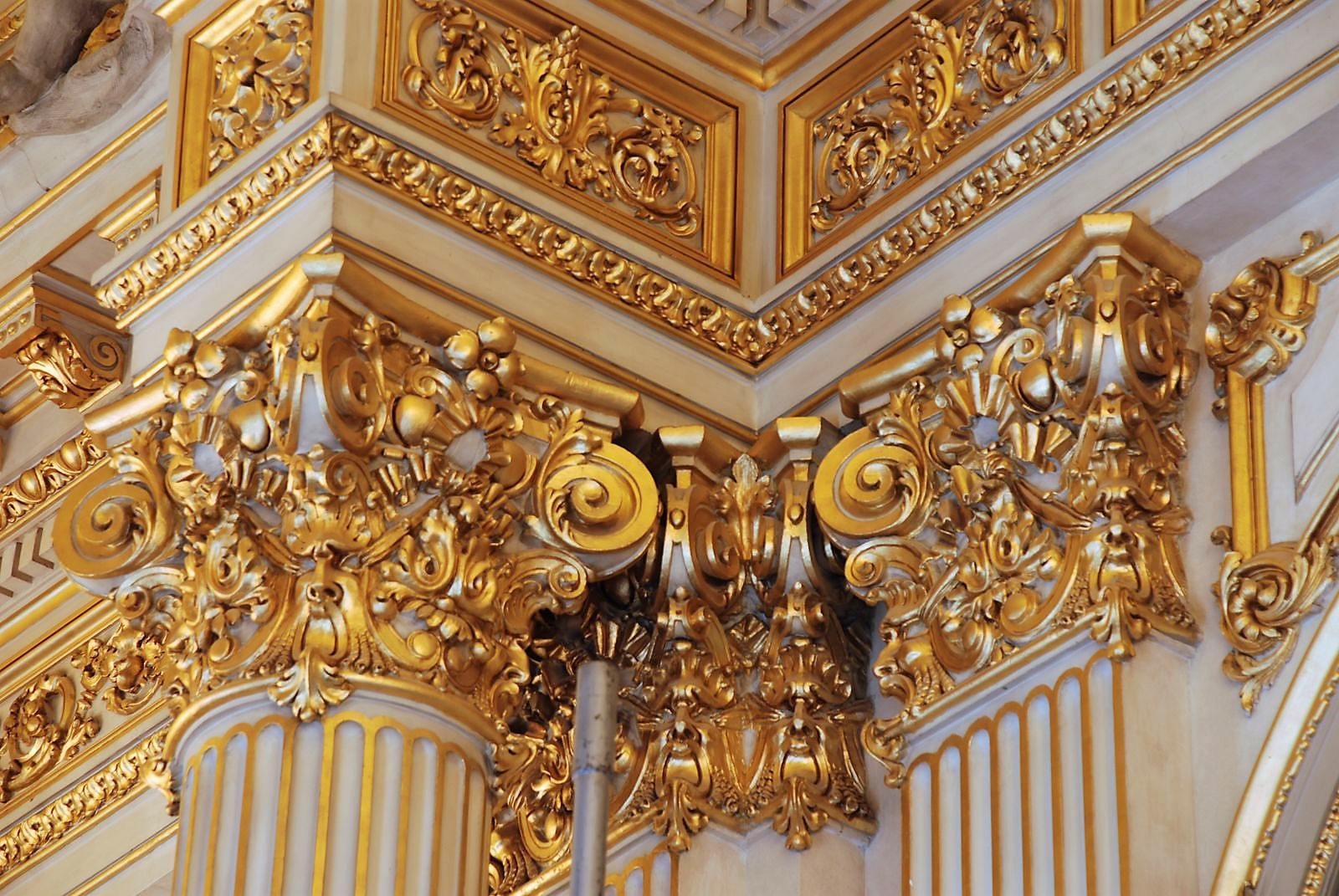
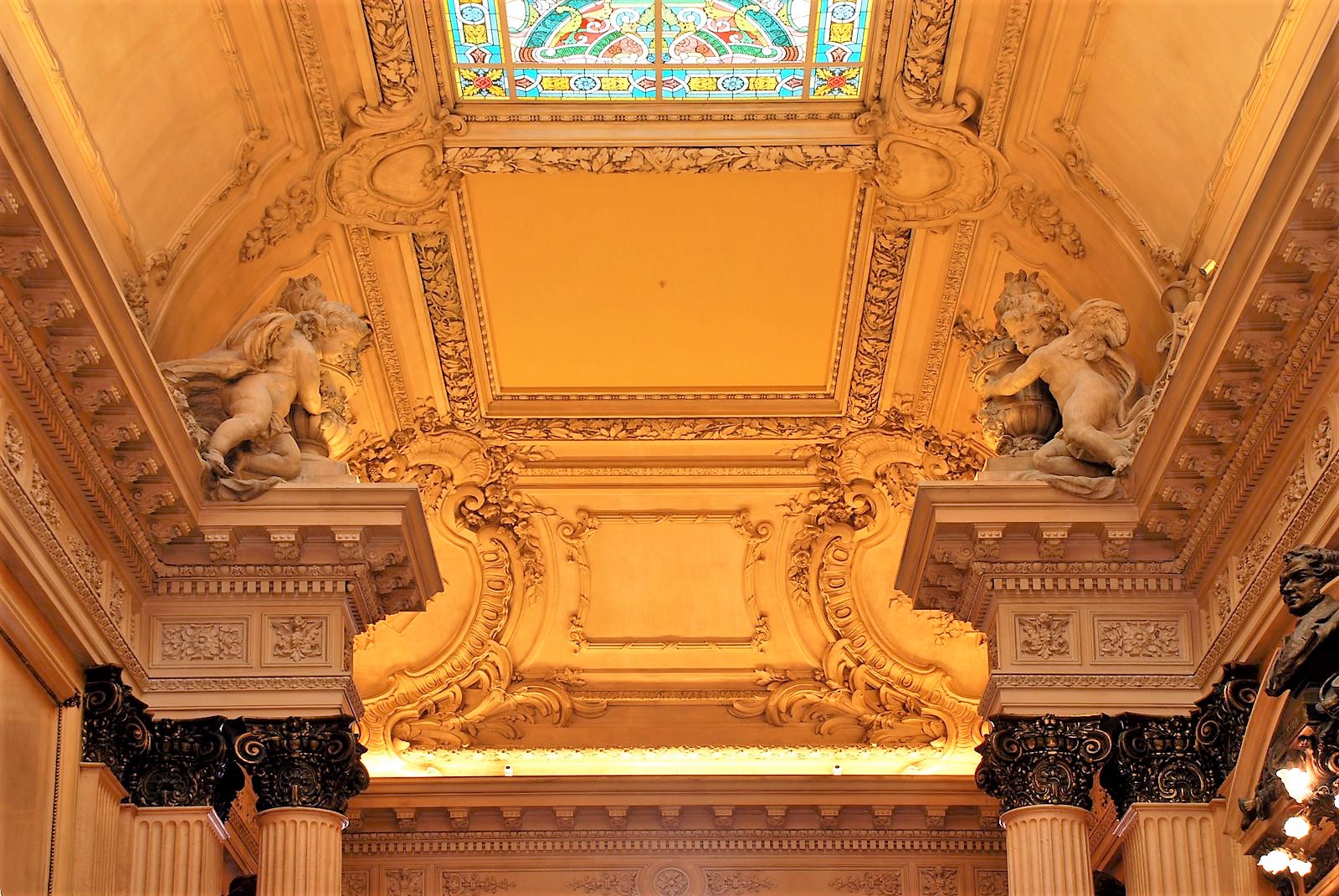
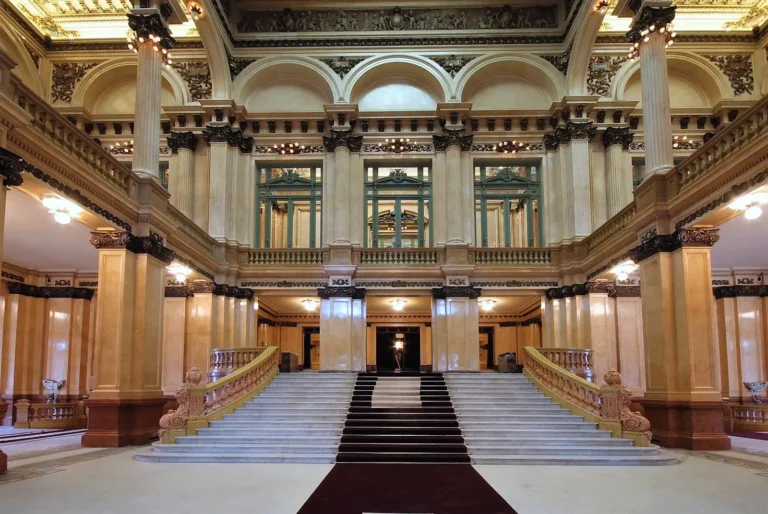
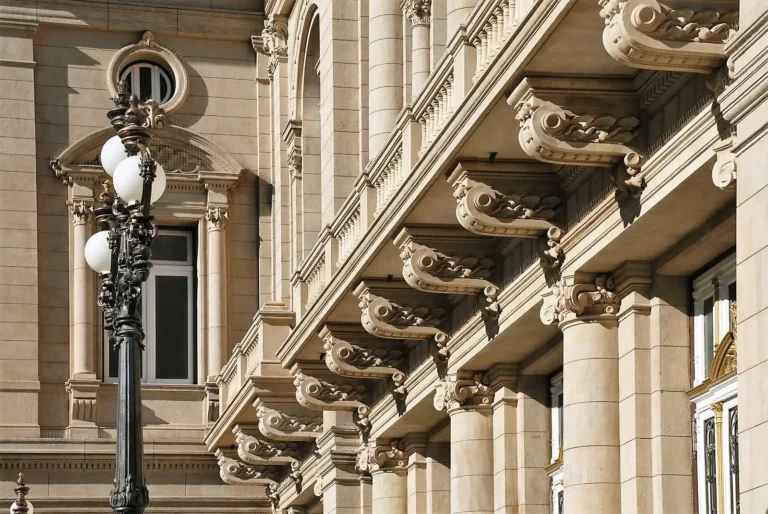
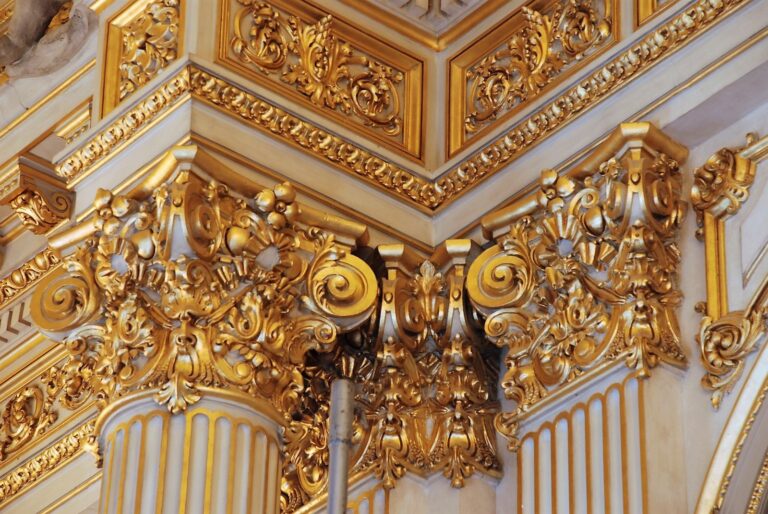
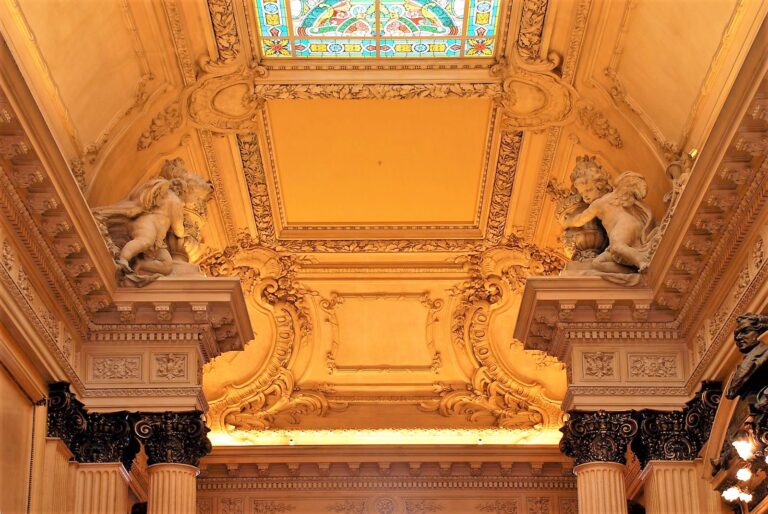
Its construction history spans nearly two decades and involved three architects of distinct backgrounds and sensibilities. Francesco Tamburini conceived the original project and began construction in 1889; following his death, Vittorio Meano carried the work forward, shaping most of the building with the academic rigor and structural solidity of the Italian tradition; finally, Jules Dormal, trained in the European eclectic tradition, completed and refined the interiors with the ornamental richness that defines them today.
THE THEATRE IN NUMBERS
58.000 sq m
TOTAL AREA
2.478
Seats + 500 Standing Room
120
Orchestra Pit Capacity
28 m
HORSESHOE AUDITORIUM HEIGHT
RESTORATION I HERITAGE
Teatro Colón
Heritage Restoration and Technological Modernization
LOCATION
Ciudad de Buenos Aires, Argentina
ROLE
Andres Schulman · Project Director – GCBA
THE THEATRE IN NUMBERS
58.000 sq m
TOTAL AREA
120
Orchestra Pit Capacity
28 m
HORSESHOE AUDITORIUM HEIGHT
2.478
Seats + 500 Standing Room
Opened in 1908, Teatro Colón is regarded as one of the great opera houses of the world. Its acoustics have been recognized by experts and performers from every musical tradition as being among the finest on the planet for opera, symphonic music, and ballet.
Its construction history spans nearly two decades and involved three architects of distinct backgrounds and sensibilities. Francesco Tamburini conceived the original project and began construction in 1889; following his death, Vittorio Meano carried the work forward, shaping most of the building with the academic rigor and structural solidity of the Italian tradition; finally, Jules Dormal, trained in the European eclectic tradition, completed and refined the interiors with the ornamental richness that defines them today.
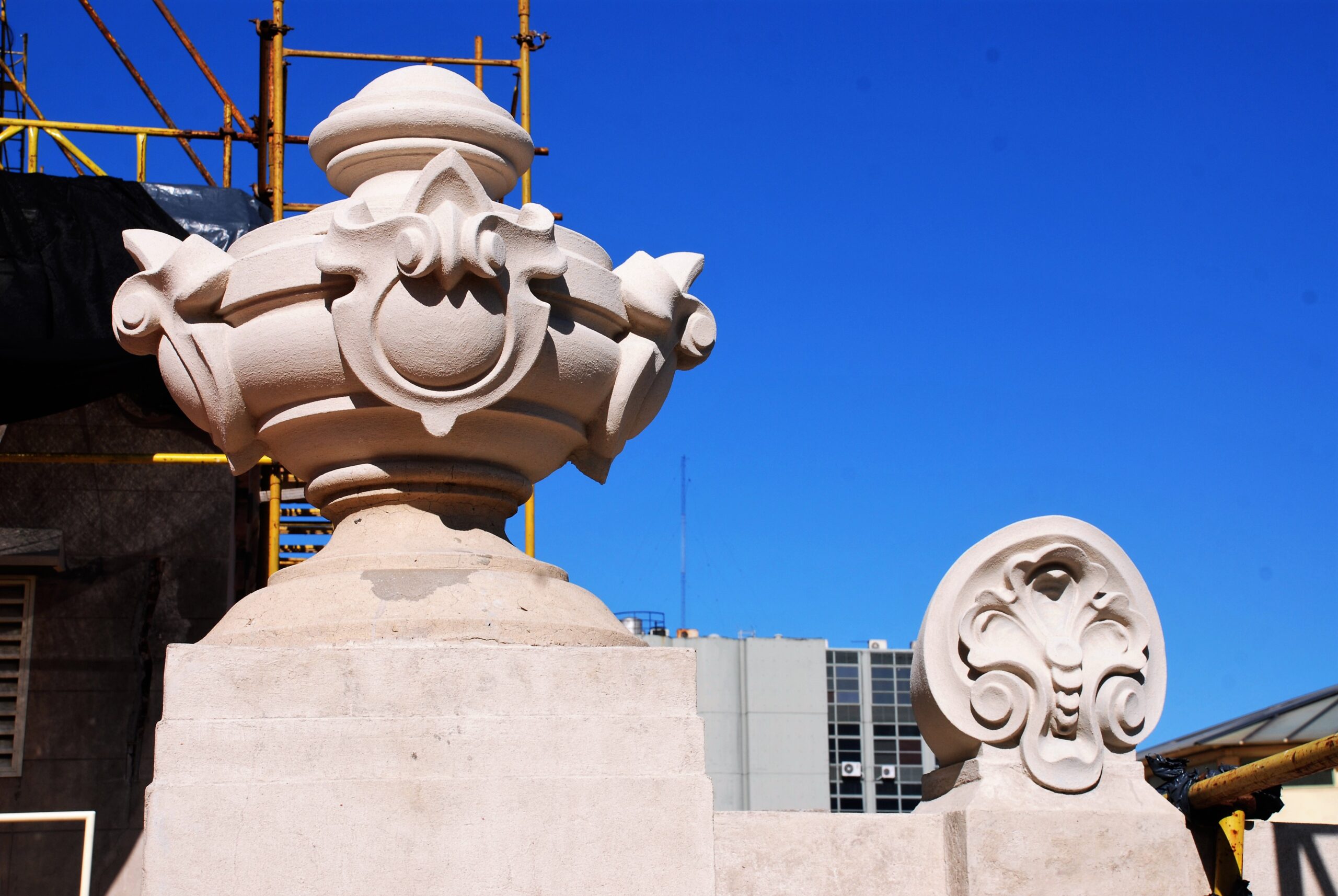
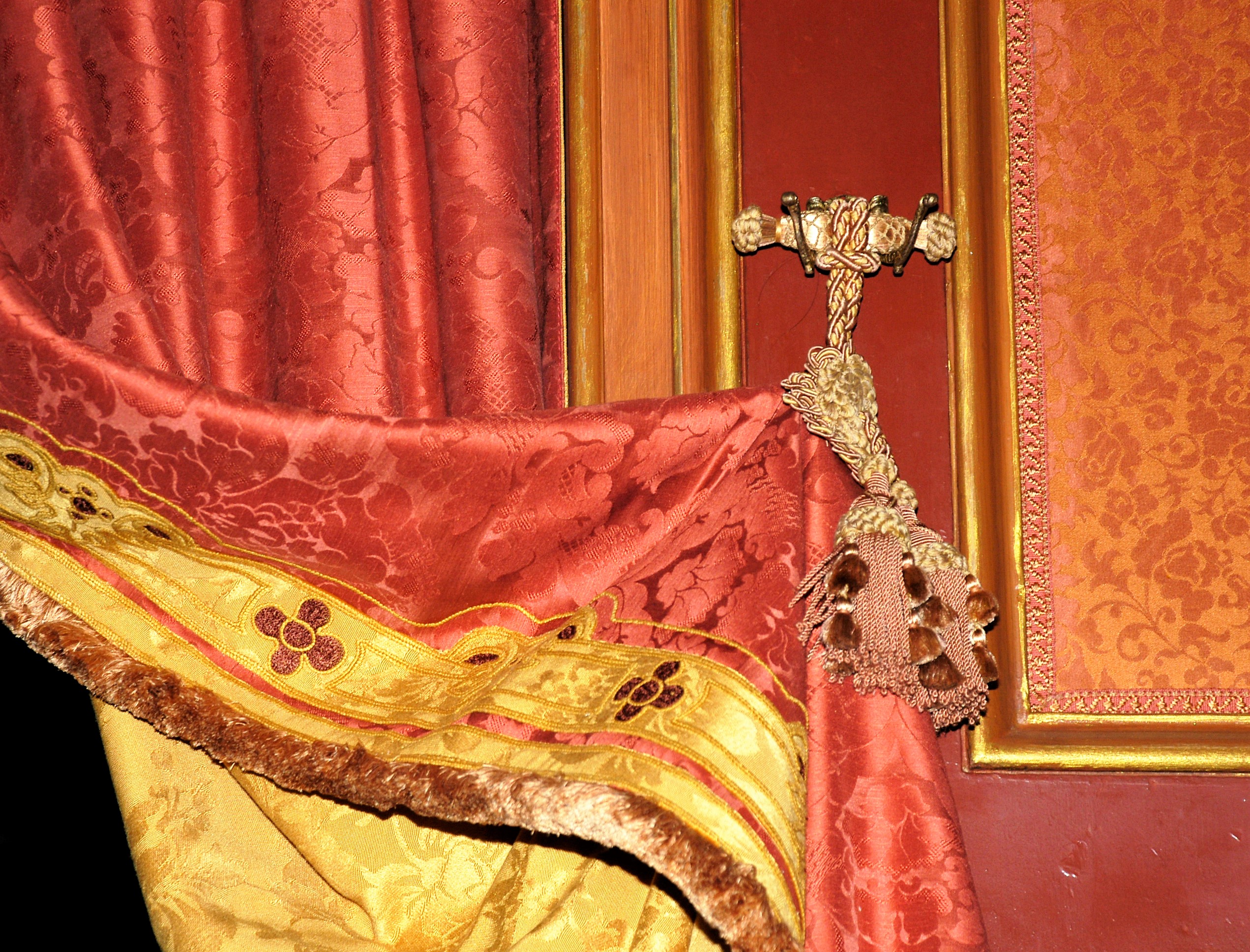
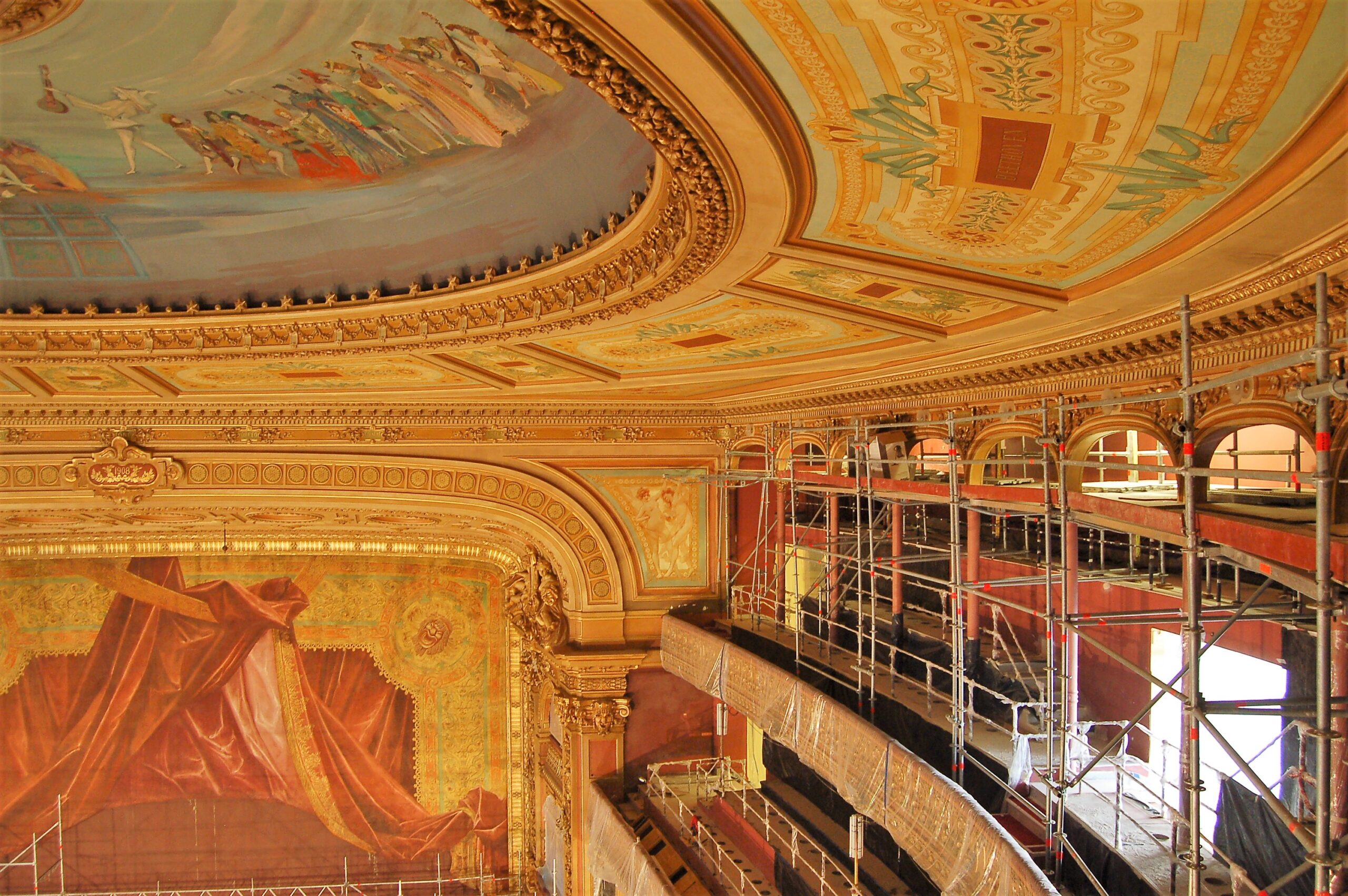
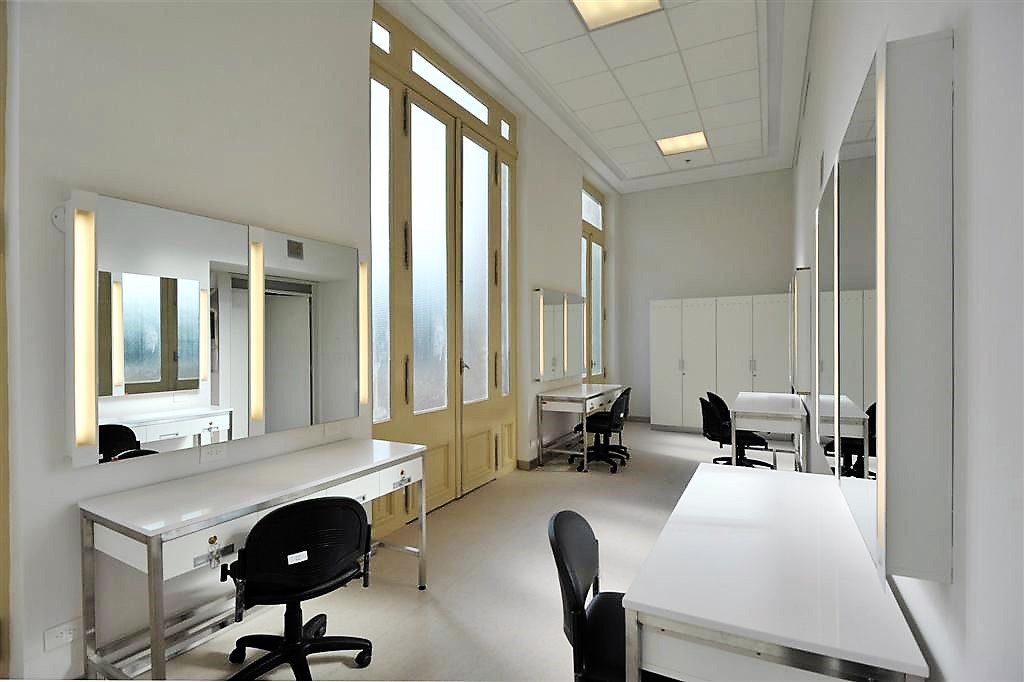
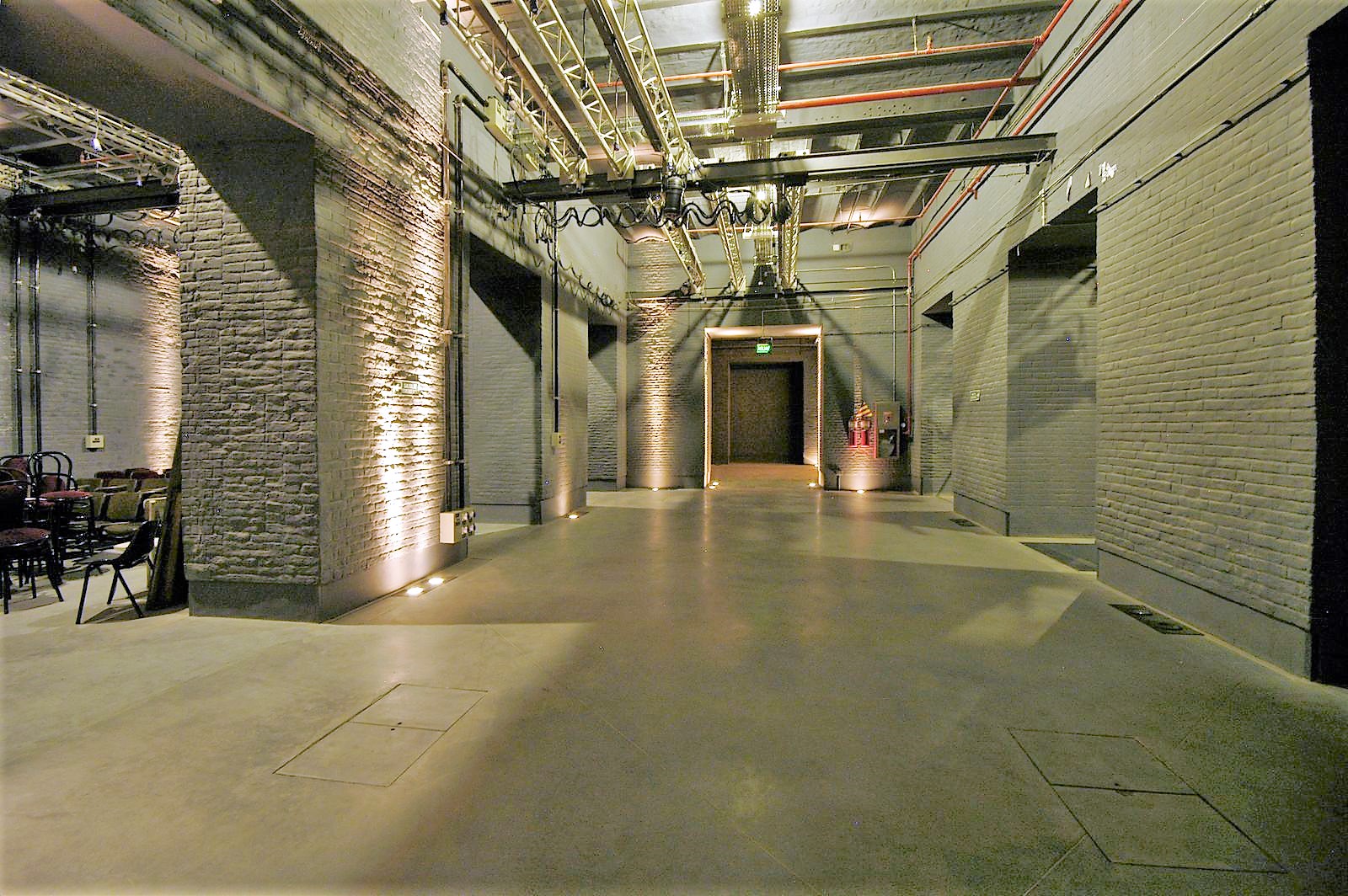
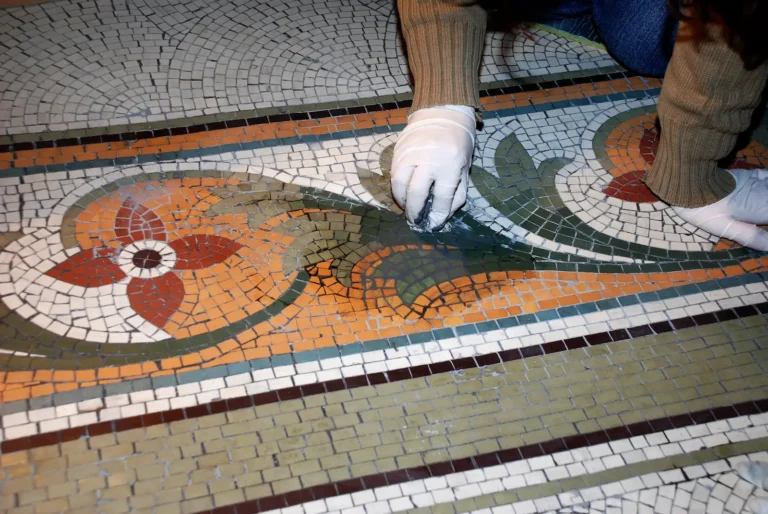
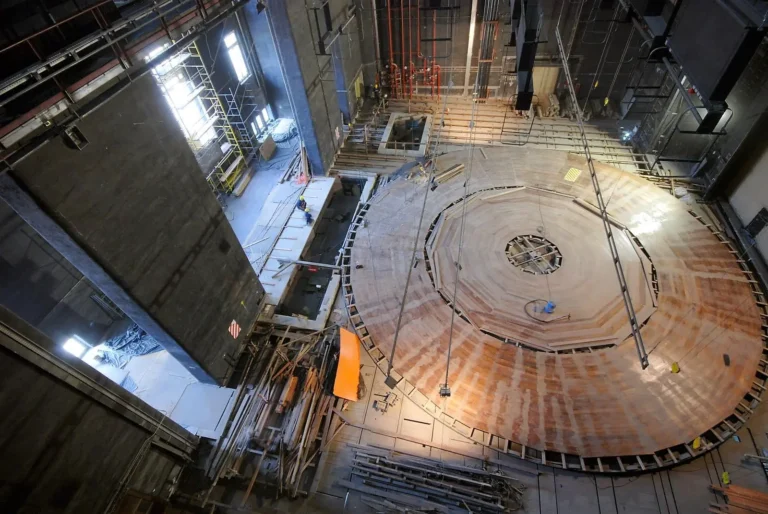
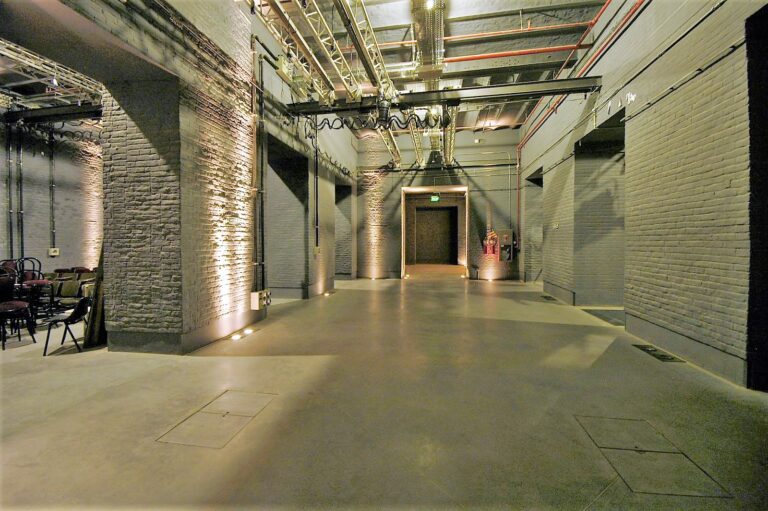
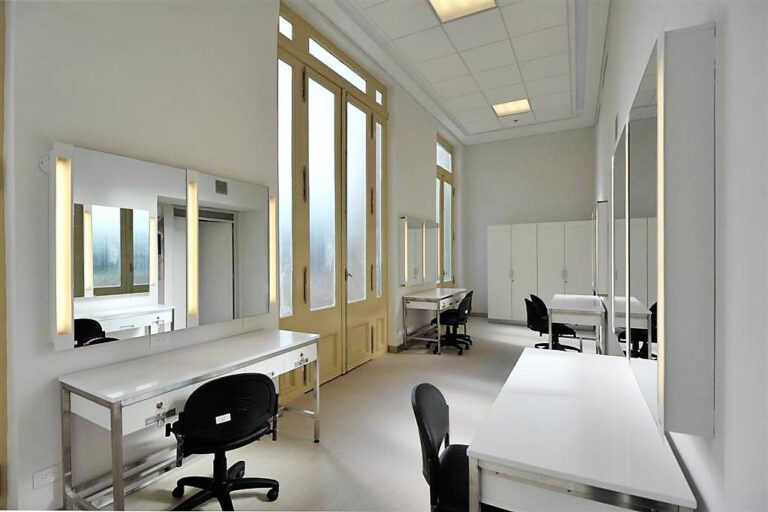
Amid a context of general deterioration and technological obsolescence, the Government of the City of Buenos Aires made the decision to return the Teatro Colón to the city — not as a symbolic gesture, but as a rigorous and fully committed project, with the resources, timeframes, and professional teams commensurate with the significance of the building itself. Without this sustained institutional commitment over many years, no technical intervention of this scale would have been possible.
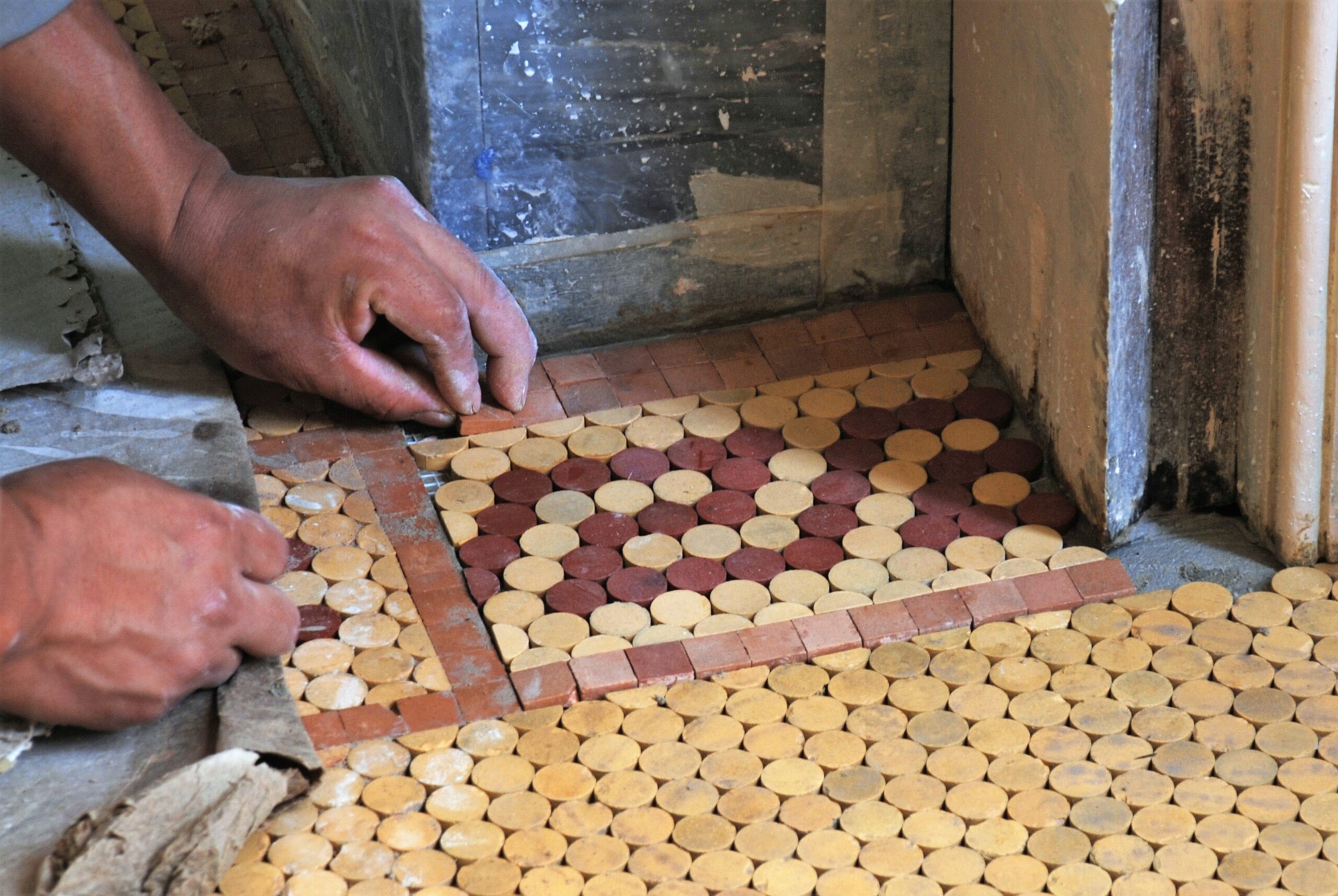
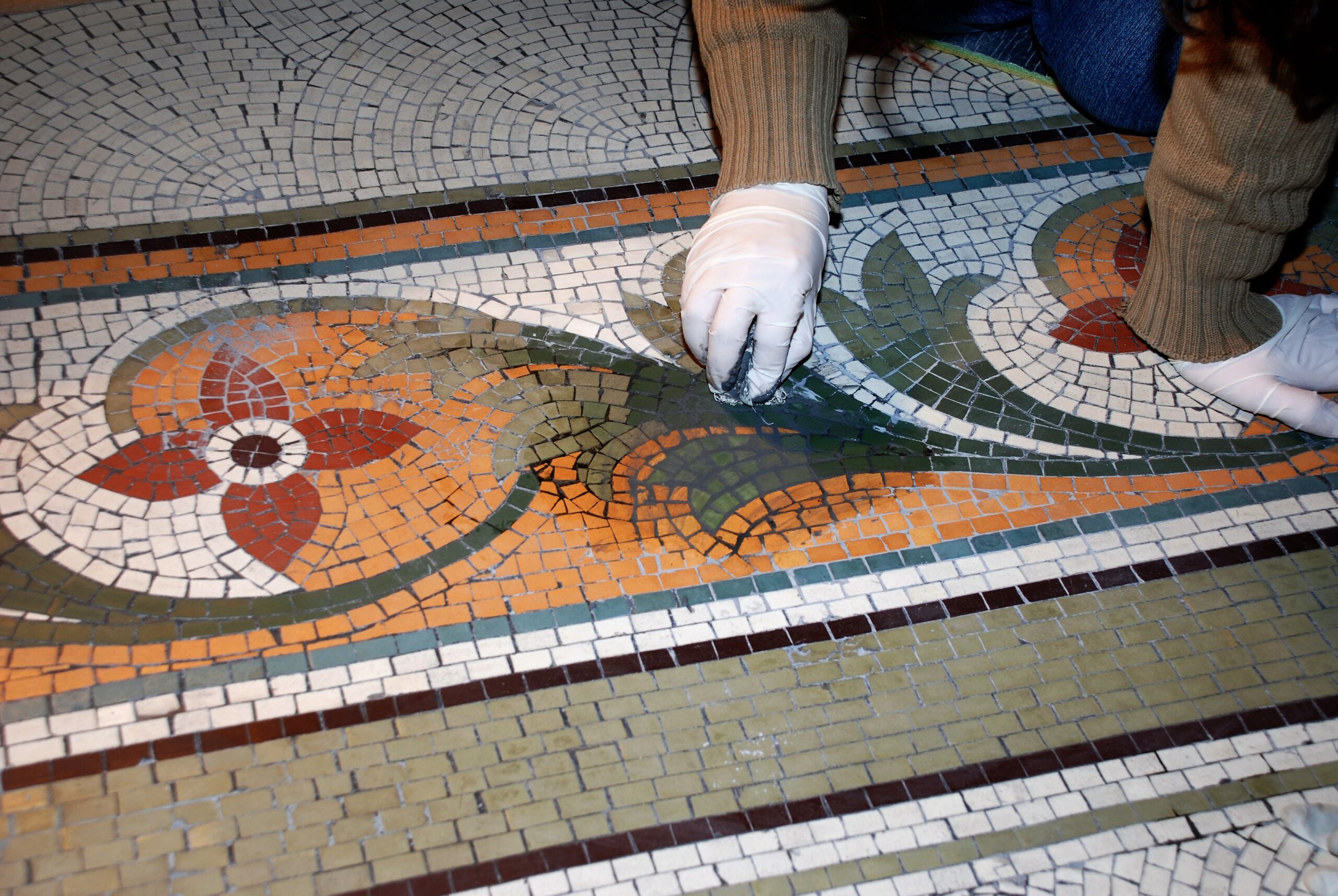
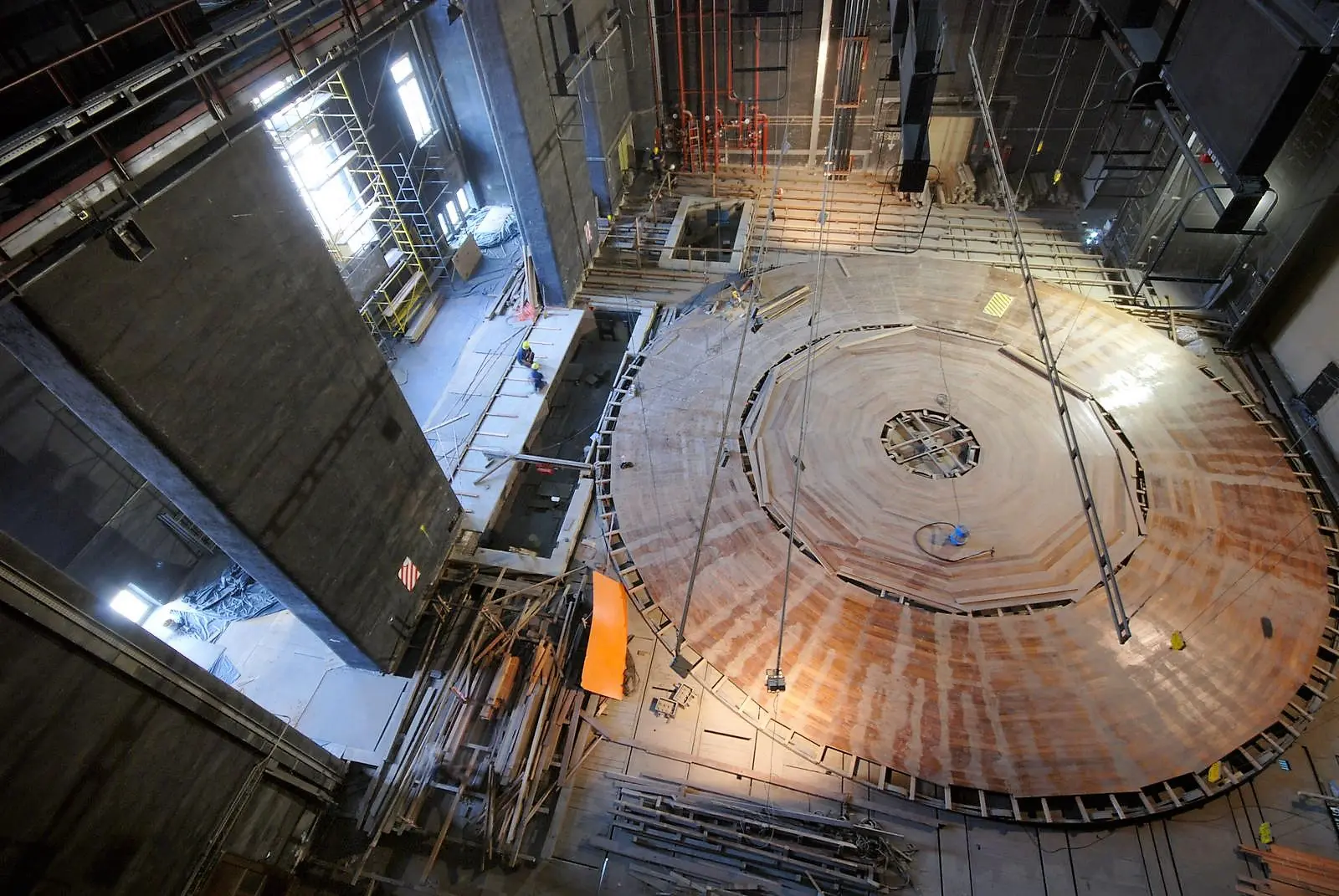
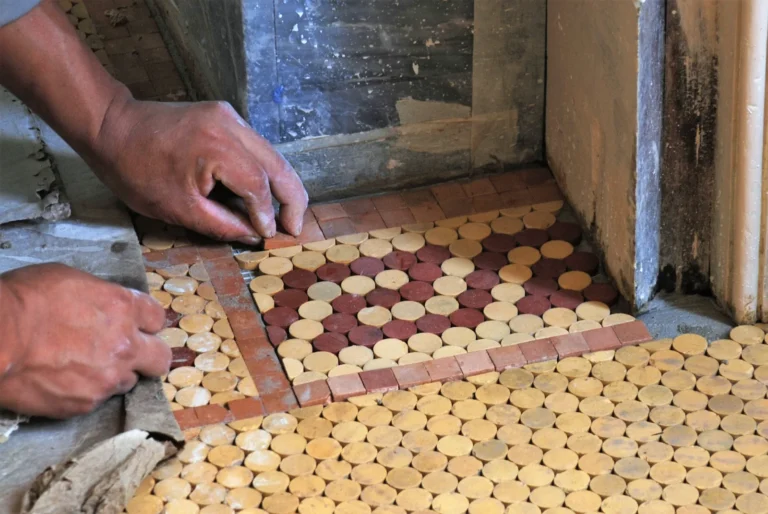
Between 2005 and 2010, Andres Schulman was appointed Project Director for the Master Plan for the Restoration, Preservation, and Technological Modernization of the Theater—a task that required coordinating a multidisciplinary team of more than fifty professionals, including architects, engineers, conservators, acousticians, building systems specialists, scenographers, and theater technology consultants.
The Teatro Colón reopened in May 2010 as part of Argentina’s Bicentennial celebrations, receiving international recognition that extended far beyond the architectural field. Specialized critics, musicians, and cultural institutions visiting the theater agreed on the highest possible praise: that the Colón remained the same—and at the same time, had come back to life.
The project received the 1st Ibero-American Prize for Best Intervention on Built Heritage 2007–2010, awarded by the Sociedad Central de Arquitectos and CICOP (Centro Internacional para la Conservación del Patrimonio), as well as the 2010 Architecture Award — Bicentennial Edition, granted by the Sociedad Central de Arquitectos and the Consejo Profesional de Arquitectura y Urbanismo.